
Pseudo-clever play on words there, because I do want to talk a bit about beginnings–specifically opening sentences and paragraphs–but first I wanted to give a quick rundown of my own new beginning.
A few months ago, my wife and I found ourselves a bit restless. Not happy with where we were both professionally and geographically, we started discussing changes. As in, huge life changes. After a bit of a fake out/false start that almost saw us take our son and head abroad, we ended up heading west. In March we packed up and left the Midwest for the Oregon Coast. The move itself was brutal, but that’s a story for another time. The point is, we’ve been here about three months now, and have finally started to feel “settled in,” so to speak. And with some semblance of normalcy came the desire to start writing again. So let’s talk about beginnings.
I recently went to a writers workshop event in a beach town just up the highway from me. There were several presenters, speaking about various writing-related topics. Rather ironically, the first presentation I went to was about beginnings, and opening your story with a hook. We looked at some examples of openings and analyzed why they were especially strong. I want to look at two of them that have a little in common. First, let’s take a look at the opening of My Sister, The Serial Killer, by Oyinkan Braithwaite.
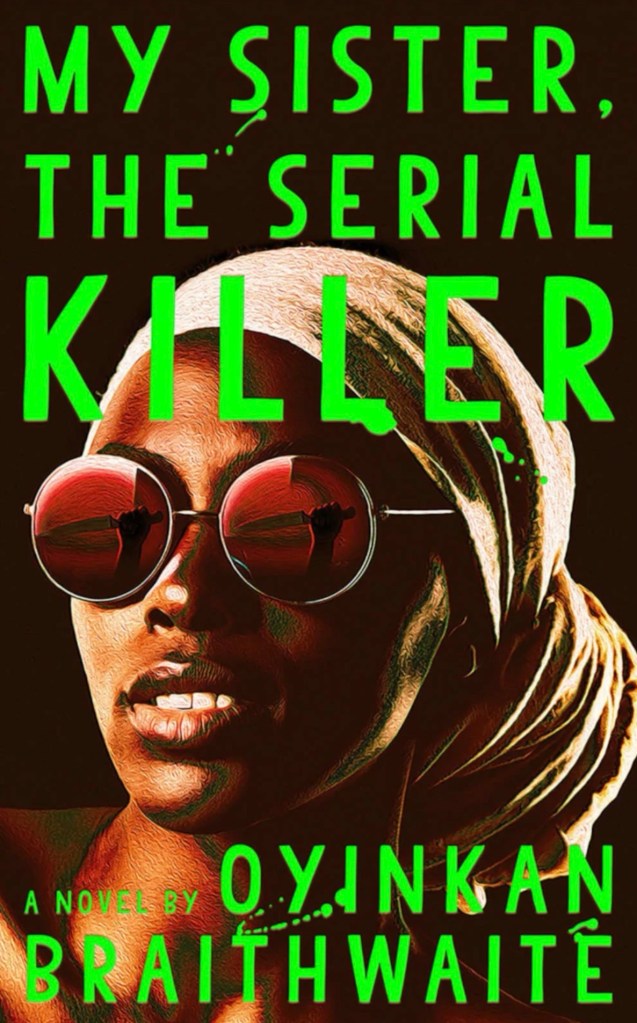
“WORDS
Ayoola summons me with these words — Korede, I killed him. I had hoped I would never hear those words again.
BLEACH
I bet you didn’t know that bleach masks the smell of blood. Most people use bleach indiscriminately, assuming it is a catchall product, never taking the time to read the list of ingredients on the back, never taking the time to return to the recently wiped surface to take a closer look. Bleach will disinfect, but it’s not great for cleaning residue, so I use it only after I have first scrubbed the bathroom of all traces of life, and death.”
So, wow. Talk about a hook! There’s a lot of information in that opening, without being simple exposition. And yet with all that information, we’re left with more questions than answers. These sisters clearly have a complex relationship, as evidenced by the way that Ayoola tells Korede she’s killed again, and Korede promptly comes over and begins cleaning it up — and clearly not for the first time. It makes you (by which I mean me) wonder how deep Korede’s complicity actually goes. I very much want to read on to find out.
Now let’s take a look at example number two: The opening to The Virgin Suicides, by Jeffrey Eugenides.
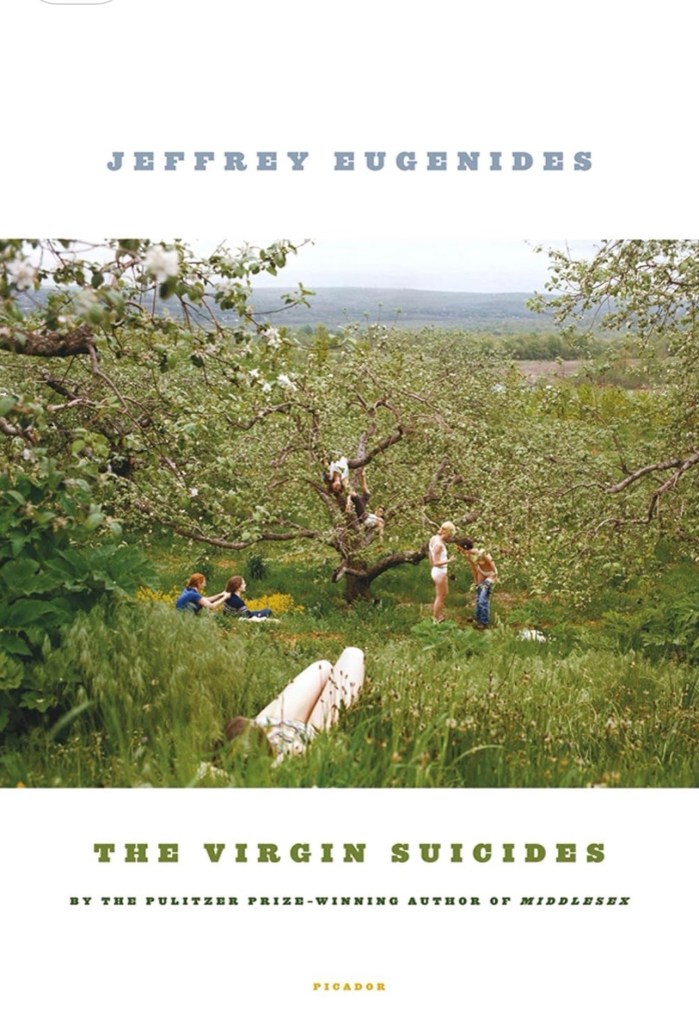
“On the morning the last Lisbon daughter took her turn at suicide — it was Mary this time, and sleeping pills, like Therese — the two paramedics arrived at the house knowing exactly where the knife drawer was, and the gas oven, and the beam in the basement from which it was possible to tie a rope. They got out of the EMS truck, as usual moving much too slowly in our opinion, and the fat one said under his breath, “This ain’t TV, folks, this is how fast we go.” He was carrying the heavy respirator and cardiac unit past the bushes that had grown monstrous and over the erupting lawn, tame and immaculate eleven months earlier when the trouble began.”
Again, we’re told a lot in a brief span, but it’s not an infodump. And, like the first example, we’re just dropped into a story that is well on its way toward a conclusion. These two books don’t make you guess what’s happening. You may (and should) have questions that make you want to turn the page, but things are laid out pretty plainly. In the first example, it’s clear big sister cleans up little sister’s messes, literally. We wonder how deep the problem goes, but we know right away Ayoola has killed more than once and Korede comes to deal with the fallout. In the second example, we get the info about the sisters killing themselves, made clear by what we’re told about the knowledge the paramedics have about the house. The heart of the plot is laid out right away.
Obviously, that’s not the only way to start a book. Depending on the type of story being told, it could be the absolute worst way. But it’s something to think about, isn’t it? Looking at these and listening to the presenter analyze them with some of the attendees made me reconsider the opening to one of my (seemingly terminally) unfinished novels. I wrote a couple sentences that changed the pace of the opening, and (hopefully) gets the reader’s attention, and makes them want to take the leap of faith that comes with turning the page. The catch with starting with a story in progress is that after the hook is set and you go about working toward where you opened the story, it has to stay tight and engaging. If you have a great opening but the reader loses interest getting the backstory that led up to that point, that’s a problem.
We all know a good opening is crucial, but which method works for you? What are some of your favorite opening sentences/paragraphs that hooked you from the first page?


What’s on your mind?